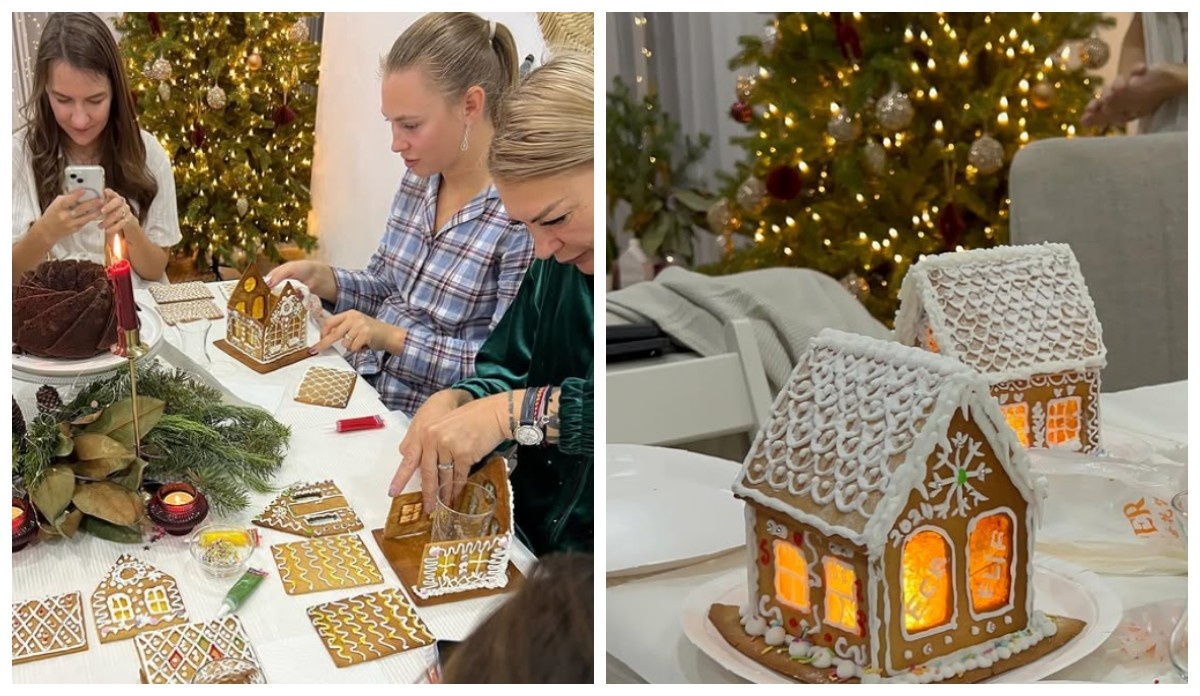
Traditions of warmth and comfort await as the festive season approaches, drawing attention to the forgotten delights of Russian Christmas treats like cozy козули and hearty калачи. Unlike the widely popular gingerbread, these delights carry deep-rooted meanings and promise a taste of heritage, сообщает канал "Женщина после 50".
Козули: Символы счастья и защиты
On the Russian North, the art of making козули, intricately shaped gingerbread cookies, has been passed down through generations. Originally crafted not for immediate consumption, but as protective talismans, these cookies were adorned with meanings:
- Лошадка – символ силы и пути к счастью,
- Олень – олицетворение достатка,
- Птица – знак доброй вести,
- Рыба – символ здоровья,
- Кораблик – выражение удачи в делах,
- Коза – символ веселья и плодородия.
Traditionally gifted during festive seasons, козули were often hung on Christmas trees or presented to children, radiating a spirit of goodwill. Consumed only after the celebrations, they were believed to imbue the eater with positive energy.
Калачи: Праздничный символ достатка
The delicious калачи, distinctive for their handles that prevent messy fingers, have been a staple around Christmas tables in Russia. These round, aromatic breads, often embellished with braids or intricate designs, represented abundance. Gifted during festivities, they symbolized respect and friendship among families and communities.
Современные угощения с русским духом
In today’s world, while gingerbread houses and cookies might dominate holiday displays, it’s essential to summon the charm of Russian festive spirits through traditional treats. Whether it's the sweet scent of freshly baked козули or the inviting warmth of калачи, these treats are reminders of rich cultural narratives and togetherness during the holiday season.
As we decorate for the holidays, embracing our ancestral recipes not only enriches our tables but also keeps alive the stories and traditions that define us.